Equipment· Sep 10, 2026
Lease or Buy Your Next Piece of Equipment? A Framework
The right answer depends on depreciation, cash flow, and how long you'll keep the asset. Use this framework to decide.
By Nifty-Funding.com
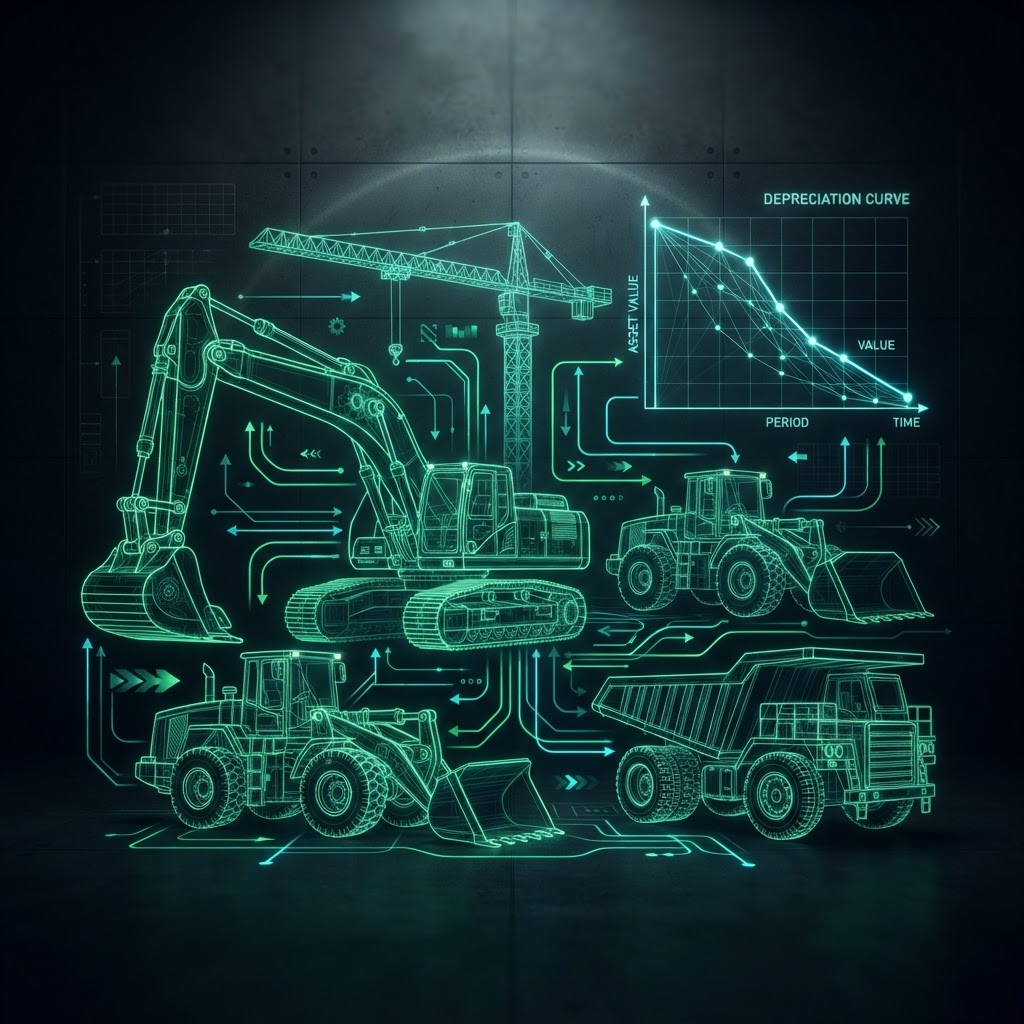
It's not just about the monthly payment
Most owners compare equipment lease vs. buy by looking at the monthly number and stopping there. That misses the real question: what's the total cost of ownership over the time you'll actually use the equipment?
When leasing wins
- You'll upgrade frequently. Technology, vehicles, and machinery that obsolesce quickly are good lease candidates — you return the asset before it loses value.
- You want to preserve cash. Leases usually need little or no money down, keeping capital free for operations.
- Payments are deductible as an operating expense in many cases.
When buying wins
- You'll keep it long-term. Once a loan is paid off, the asset keeps generating value with no further payment.
- You want the asset on your balance sheet — equipment you own builds equity.
- Total cost is usually lower over a full useful life, because you're not paying a lessor's margin.
The framework
- Estimate how long you'll realistically keep the equipment.
- Get the total lease cost (monthly × term), not just the monthly payment.
- Get the total buy cost (down payment + all loan payments).
- Compare the two over your ownership horizon, and subtract the residual value if you'll sell.
Our Lease vs. Buy Calculator does this comparison for you in real time.
The bottom line
Lease for flexibility and cash preservation; buy for long-term cost efficiency. Run both numbers against your actual usage, and the right call usually becomes obvious.
Ready to put these numbers to work?
Build your capital profile and get matched with financing in minutes.
Get Funded